
Where Do People Live the Longest on Earth? The Truth About Blue Zones and Diet
Ever wondered where people live the longest on earth — and what’s their secret?
Across the world, there are rare pockets where people consistently reach their 90s and even 100s with surprising health, vitality, and independence. These places are called Blue Zones — regions identified by researchers where chronic disease is rare, mobility remains strong, and longevity is the norm rather than the exception.
From the remote mountains of Sardinia to the sunny coasts of Costa Rica, Blue Zones have become a global fascination. But are they simply genetic “lucky spots,” or do lifestyle and diet play the bigger role? And most importantly: what can we learn from their daily habits to improve our own health and longevity?
Let’s pull back the curtain and uncover the truths about Blue Zones and how you can bring their longevity secrets into your modern life— as well as incorporating some supplements that might help you do just that!
The 5 Blue Zones of the World
Researchers have identified five official Blue Zones where people live significantly longer than the global average:
Okinawa, Japan – Home to some of the world’s longest-living women, famous for a plant-heavy diet and active lifestyle.
Sardinia, Italy – Particularly the mountain villages, where men have some of the highest longevity rates in the world.
Ikaria, Greece – Known as the “island where people forget to die,” with low rates of dementia and heart disease.
Nicoya, Costa Rica – A sunny, close-knit community where residents thrive well into old age with strong bones and vitality.
Loma Linda, California, USA – A unique Seventh-day Adventist community whose plant-forward, faith-based lifestyle promotes long health spans.
What They Eat: Blue Zone Diet Secrets (With Example Recipes)
Genetics only explain a fraction of Blue Zone longevity. Daily diet and lifestyle play the much larger role. Despite being spread across the globe, Blue Zone communities share common nutritional habits.
1. Okinawa, Japan
Plant-forward, nutrient-dense, low-calorie, high-fiber
Key Foods:
Sweet potatoes – staple carbohydrate, high in fiber and antioxidants
Soy products – tofu, miso, natto, edamame (plant protein & phytoestrogens)
Leafy greens – komatsuna, spinach, sweet potato leaves
Seaweed – rich in iodine, trace minerals, and antioxidants
Legumes – black soybeans, adzuki beans
Herbs & teas – green tea, turmeric, mugwort
Limited animal protein – small portions of fish, pork, or chicken occasionally
Fruits – papaya, citrus, goya (bitter melon)
Dietary Patterns:
Low-calorie, high-nutrient density
Emphasis on variety of vegetables and legumes
Small, frequent meals (“Hara Hachi Bu” – stop eating when 80% full)
2. Ikaria, Greece
Mediterranean-style, plant-heavy, anti-inflammatory
Key Foods:
Legumes – lentils, chickpeas, fava beans, black-eyed peas
Vegetables – leafy greens, zucchini, tomatoes, eggplant
Olive oil – primary fat source, rich in polyphenols
Whole grains – barley, wheat, bread, and rice in small amounts
Herbs & teas – sage, rosemary, oregano, chamomile, mountain tea
Nuts – almonds and walnuts, eaten in moderation
Fish – occasional, small servings
Dairy – mostly goat cheese, fermented yogurt in moderation
Limited red meat – rare and usually as a flavoring rather than main protein
Dietary Patterns:
Daily consumption of legumes and vegetables
Moderate caloric intake
Use of fermented foods and herbal teas
Meals often social and relaxed
3. Nicoya, Costa Rica
Traditional Mesoamerican, whole foods, mineral-rich
Key Foods:
Beans – black beans are daily staples
Corn and rice – primary sources of carbohydrates (often together as “Gallo Pinto”)
Vegetables – squash, sweet peppers, leafy greens
Fruits – papaya, pineapple, watermelon, mango
Tropical root vegetables – yuca, sweet potatoes, plantains
Eggs – consumed regularly in moderation
Occasional meat/fish – small portions, mostly for flavor
Herbs – cilantro, oregano, and local seasonings
Dietary Patterns:
High intake of legumes + whole grains
Emphasis on plant-based meals with minimal processed foods
Light, balanced meals that provide steady energy
4. Loma Linda, California (Seventh-day Adventists, USA)
Plant-based, whole-food focus, minimal processed foods
Key Foods:
Legumes – lentils, beans, chickpeas, soy (tofu, soy milk)
Vegetables – leafy greens, cruciferous vegetables, carrots, bell peppers
Fruits – apples, bananas, berries, citrus
Whole grains – oats, brown rice, whole-wheat bread, barley
Nuts & seeds – almonds, walnuts, sunflower seeds
Dairy alternatives – plant-based milk (soy, almond)
Eggs – occasionally, in moderation
Minimal meat – most are vegetarian; if consumed, mostly fish
Herbs & teas – herbal teas, spices for flavor and antioxidants
Dietary Patterns:
Mostly vegetarian or vegan
High intake of whole foods and plant proteins
Meals are simple, balanced, and nutrient-dense
Strong emphasis on low sugar and minimal processed foods
5. Sardinia, Italy
Mediterranean, plant-forward, with moderate wine and dairy
Key Foods:
Legumes – fava beans, lentils, chickpeas, cannellini beans
Vegetables – zucchini, tomatoes, chard, kale, onions
Whole grains – barley, farro, bread (sourdough), pasta in moderation
Olive oil – main source of fat, rich in polyphenols
Nuts – almonds, walnuts, pistachios
Cheese – mostly sheep/goat cheese, consumed in moderation
Meat – very small portions, usually flavoring only (pork or lamb occasionally)
Fish – more common in coastal villages
Herbs – rosemary, oregano, thyme, sage
Dietary Patterns:
Meals are plant-forward with legumes + vegetables as the base
Meat and dairy are eaten sparingly
Moderate consumption of wine with meals
Emphasis on fresh, seasonal, local ingredients
Recipe Examples:
1. Okinawan Sweet Potato & Miso Soup
Okinawans consume a high proportion of plant-based foods, particularly sweet potatoes and soy products, which provide fiber, antioxidants, and minerals.
Ingredients (4 servings):
2 medium Okinawan or purple sweet potatoes, cubed
1 tbsp sesame oil
1 small onion, diced
3 cups vegetable broth
3 tbsp miso paste (fermented soybean)
1 cup chopped kale or spinach
1 green onion, chopped
Salt + pepper to taste
Instructions:
Heat sesame oil in a pot, sauté onion until soft.
Add sweet potatoes and broth, simmer 15–20 minutes until tender.
Remove from heat, stir in miso paste until dissolved.
Add kale/spinach, cook 2–3 minutes until wilted.
Garnish with green onion and a dash of sesame seeds.
2. Ikaria Fava Bean Stew with Greens
In Ikaria, people combine legumes with leafy greens, creating a powerhouse meal for anti-aging, energy, and heart health.
Ingredients (4 servings):
2 cups dried fava beans, soaked overnight
2 tbsp olive oil
1 leek, sliced
2 garlic cloves, chopped
2 cups spinach or wild greens (like dandelion leaves)
1 tbsp tomato paste
1 tsp oregano
1 lemon (juice + zest)
Salt + pepper
Instructions:
Boil fava beans until tender (30–40 min). Drain.
Heat olive oil in a skillet, sauté leek + garlic.
Add beans, tomato paste, oregano, and ½ cup water. Simmer 10 min.
Stir in spinach/greens and lemon juice, cook until wilted.
Finish with lemon zest + drizzle of olive oil.
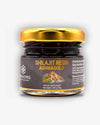
Modern Twist: Add a teaspoon of Shilajit Resin to your morning herbal tea before enjoying this meal for mineral support — a modern way to mirror the nutrient-rich soils of Blue Zones.
3. Nicoya Black Bean & Rice Bowl
In Nicoya, Costa Rica, the traditional “Gallo Pinto” combines black beans and rice, often eaten with vegetables and a small amount of cheese or eggs. It’s a high-fiber, high-protein staple that supports sustained energy and digestive health.
Ingredients (4 servings):
1 ½ cups cooked black beans
1 ½ cups cooked brown rice
1 small red bell pepper, diced
1 small onion, diced
1 garlic clove, minced
2 tbsp olive oil
1 tsp cumin
Salt + pepper
Optional: chopped cilantro or a fried egg per serving
Instructions:
Heat olive oil in a skillet, sauté onion, garlic, and bell pepper until soft.
Add cooked beans, rice, cumin, salt, and pepper. Stir to combine and heat through.
Garnish with cilantro or a fried egg.
Longevity Tip: This simple, plant-forward meal is a foundation of Nicoyan longevity. Add a side of sautéed greens or a Super Greens powder smoothie to mimic the high vegetable intake of Blue Zones.
4. Sardinian Fava Bean Soup (Minestra di Fave)
Fava beans are a staple in Sardinia, providing plant protein, fiber, and minerals that support heart health and longevity.
Ingredients (4 servings):
2 cups fresh or frozen shelled fava beans (or dried, soaked overnight)
2 tbsp olive oil
1 medium onion, diced
2 carrots, diced
2 celery stalks, diced
2 cloves garlic, minced
1 medium potato, cubed
6 cups vegetable broth
1 sprig fresh rosemary or thyme
Salt + pepper
Instructions:
Heat olive oil in a large pot, sauté onion, garlic, carrots, and celery until soft.
Add fava beans, potato, broth, and rosemary.
Simmer 35–40 minutes (until beans + potatoes are tender).
Mash some beans with a spoon for creaminess.
Drizzle with extra olive oil before serving.
Longevity Tip: Pair with whole-grain bread or a side salad to mimic the high-fiber, nutrient-rich meals common in Sardinia.
5. Ikaria Fava Bean Stew with Greens
In Ikaria, Greece, people combine legumes with leafy greens, creating a powerhouse meal for anti-aging, energy, and heart health.
Ingredients (4 servings):
2 cups dried fava beans, soaked overnight
2 tbsp olive oil
1 leek, sliced
2 garlic cloves, chopped
2 cups spinach or wild greens (like dandelion leaves)
1 tbsp tomato paste
1 tsp oregano
1 lemon (juice + zest)
Salt + pepper
Instructions:
Boil fava beans until tender (about 30–40 min). Drain.
Heat olive oil in a skillet, sauté leek + garlic.
Add beans, tomato paste, oregano, and ½ cup water. Simmer 10 min.
Stir in spinach/greens and lemon juice, cook until wilted.
Finish with lemon zest + drizzle of olive oil.
The Lifestyle Beyond Food
Blue Zones don’t just eat differently — they live differently:
Daily Movement: Walking, gardening, physical chores built into life.
Community & Connection: Strong family and social bonds reduce stress.
Stress Relief: Naps in Ikaria, prayer in Loma Linda, or meditation in Okinawa.
Purpose: A strong sense of meaning in daily life.
These daily habits amplify the benefits of a nutrient-rich diet.
The Modern Gap: Why We Struggle to Replicate It
Most modern diets are lacking in plant protein, legumes, minerals, and antioxidants. Even if you aim to eat like a Blue Zone resident, modern soil and food processing mean you may miss key nutrients.
This is where NUTRiHERBS products may potentially complement a Blue Zone-inspired diet:
Shilajit Resin: Can support trace mineral intake missing in modern diets.
Super Greens Powder: Concentrates antioxidants, vitamins, and phytonutrients.
Marine Collagen: May help maintain skin, joint, and connective tissue health.
Practical Takeaways: Your Own Blue Zone Plate
Here’s how you can apply Blue Zone wisdom at home:
Breakfast: Okinawan Sweet Potato & Miso Soup or oatmeal with nuts + green tea
Lunch: Ikaria Fava Bean Stew with Greens
Snack: Handful of almonds, pumpkin seeds, or fresh fruit
Dinner: Nicoya Black Bean & Rice Bowl with sautéed vegetables
Evening: Herbal tea (chamomile, green tea, or mountain tea)
💡 Optional modern alternatives:
1. Blend Super Greens powder into smoothies for extra veggies. Most Blue Zones diets are extremely rich in leafy greens, vegetables, and legumes, but busy lifestyles or seasonal availability can limit intake. Super Greens powders can provide concentrated vitamins, minerals, antioxidants, and phytonutrients such as the nutrient diversity of Blue Zone diets. A scoop of Super Greens can be stirred into smoothies, drinks, or even soups alongside your fava bean or lentil dishes, helping maximize nutrient density without altering traditional recipes.
2. Stir Shilajit Resin into tea for mineral support. Blue Zone diets rely on mineral-rich whole foods from nutrient-dense soil. Shilajit is a natural source of over 85 trace minerals, including iron, magnesium, and zinc, which support energy production, muscle function, and cellular health. When enjoying legumes, greens, and whole grains like in Ikaria or Sardinia, Shilajit may potentially ensure your body absorbs and utilizes the nutrients efficiently, filling potential mineral gaps from modern diets.
3. Add Marine Collagen to morning coffee or tea. Blue Zone populations maintain mobility and joint health well into old age through natural activity and moderate animal protein consumption. Collagen peptides may potentially supply bioavailable amino acids that support joint integrity, skin elasticity, and connective tissue repair. When incorporating small amounts of meat or dairy (like lamb, feta, or Pecorino) in your meals, adding collagen peptides ensures additional protein quality and supports musculoskeletal health, potentially mirroring with the active lifestyles seen in Okinawa, Sardinia, or Ikaria.
Conclusion: Lessons from the Longest-Living People
The truth about Blue Zones is that longevity isn’t magic — it’s built on consistent, everyday habits. Their diets are rich in plants, legumes, and whole grains. They live active lives, nurture social bonds, and manage stress naturally.
While modern life doesn’t make it easy to replicate these conditions perfectly, small, consistent changes — plant-forward meals, legumes, whole grains, daily movement, and targeted supplements — can bring Blue Zone-inspired health into your own life.
After all, the world’s longest-living people don’t just live long — they live well.
Read more