

Marine Collagen Peptides vs Bovine Collagen: Which is Better for Skin Health?
Choosing the right supplement for skin support often comes down to the source of collagen. Marine Collagen Peptides and Bovine Collagen are two popular options, each with unique features. Comparing them helps in making an informed decision based on your goals and preferences.
Quick Comparison
| Feature | Marine Collagen Peptides | Bovine Collagen |
|---|---|---|
| Source | Tilapia and Red Snapper | Grass-fed cattle |
| Absorption | Easily absorbed, hydrolyzed form | Hydrolyzed, absorbable |
| Price Range | USD 34.99 - 64.99 | Varies, generally similar |
| Environmental Impact | Lower, sustainable fish sources | Depends on farming practices |
| Allergy Considerations | Potential allergy to seafood | Potential allergy to beef |
Sources and Composition
Marine Collagen Peptides is made from fish, Tilapia and Red Snapper. Its composition is rich in type I collagen, which makes up a large part of skin, hair, and nails. , bovine collagen mainly contains types I and III, also beneficial for skin elasticity but sourced from cattle.
Bioavailability and Absorption
Marine Collagen Peptides are typically thought to be more efficiently absorbed by the body because the peptide chains are smaller. Hydrolyzed collagen from fish tends to pass through the digestive system with less resistance, potentially leading to better results for skin renewal.
Bovine collagen, while also hydrolyzed for easier absorption, may not be as quickly utilized by the body. Its larger peptide size can mean a slightly slower process, though it still provides valuable support for skin structure.
Environmental and Ethical Factors
Fish sources like those used in Marine Collagen Peptides generally come from sustainable fisheries, making it a choice with a lower environmental footprint. Bovine collagen, depending on farm practices, might have a higher impact, particularly if cattle are raised with intensive farming methods.
Cost and Accessibility
The price range for Marine Collagen Peptides sits between USD 34.99 and 64.99, offering options for different budgets. Bovine collagen products vary widely in price, but similar hydrolyzed forms are often comparable. Accessibility can depend on preference for seafood or meat-derived ingredients.
Allergy and Dietary Considerations
Those with seafood allergies should avoid marine collagen supplements. Conversely, individuals with beef allergies or sensitivities may prefer marine collagen options. Both types are derived from animal sources, so confirm any other dietary restrictions before choosing.
Who Should Choose What
- People seeking rapid skin improvement and have no seafood allergies: Marine Collagen Peptides are a good fit, especially for those wanting better bioavailability.
- Consumers preferring plant-based diets or with beef sensitivities: Options are limited, but marine collagen can serve as a suitable choice if seafood allergies are absent.
- Budget-conscious shoppers: Both options offer similar pricing, but supplement availability and brand preferences may influence choice.
- Environmental awareness: Marine collagen from sustainable sources typically leaves a smaller ecological footprint.
Where Marine Collagen Peptides Fits
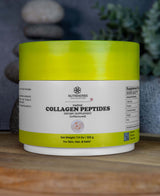
Marine Collagen Peptides is positioned as a premium supplement to support skin, hair, nails, and joints. Its small peptide size and fish origin make it particularly suitable for those focused on skin health and looking for a product with good absorption properties. It complements wellness routines that natural and sustainable ingredients.
Verdict and Recommendation
Both Marine Collagen Peptides and Bovine Collagen provide benefits for skin health, but their differences lie mainly in source, absorption rate, and environmental impact. For individuals prioritizing rapid results and sustainability, Marine Collagen Peptides from NutriHerbs offer a reliable, bioavailable choice. For those with dietary restrictions or preferences, Bovine Collagen remains a solid option, provided the source aligns with personal values.
, selecting between these two depends on personal needs, allergies, and ethical considerations. Consulting with a healthcare professional can also help determine the best fit for a skincare or wellness routine.